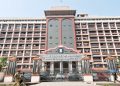

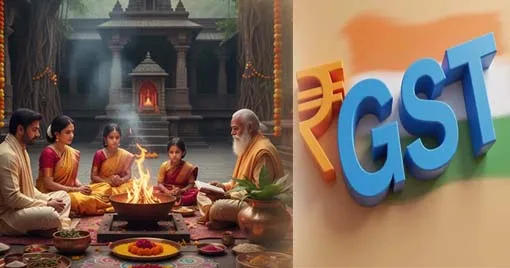
Thiruvananthapuram: Devotees are deeply concerned over the Travancore Devaswom Board’s move to impose GST on traditional temple rituals and offerings. The Devaswom Board has decided to levy an 18% tax on ceremonies such as Balitharpanam and Pulluvanpattu at prominent temples, including Sabarimala, despite traditional temple rituals normally being exempt from service tax.
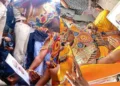
The proposal includes levying an 18% tax on monopolistic auction rights for Balithara platforms, Pulluvanpattu, Niranjana Shishtam, the right to collect broken coconuts, and retrieving clothing from the Pampa river. While direct offerings, Kanikka, Thulabharam, marriage receipts, donations, and agricultural income have been exempted from GST, an 18% GST has been made applicable to monopolistic rights and services given out via auctions. Although the tax is officially collected from contractors, they are likely to pass this financial burden onto devotees, thereby increasing overall costs.
Contractors will recover their losses by collecting the GST amount directly from visitors, placing a heavy financial burden on those arriving for rituals like Pulluvanpattu and Balitharpanam. Furthermore, GST has been applied to the auctioning of monopoly rights for temple parking grounds, stalls, and public toilets, which will also adversely affect the general public.
These 31 new guidelines were outlined in a recent circular issued by the Board’s Accounts Department, focusing primarily on GST registration, tax collection, bookkeeping, and filing returns. Strong protests have now emerged against the Devaswom Board’s action of bringing temple offerings and rituals under the GST umbrella through contractors, especially when such traditional ceremonies are typically exempt from service taxes.